
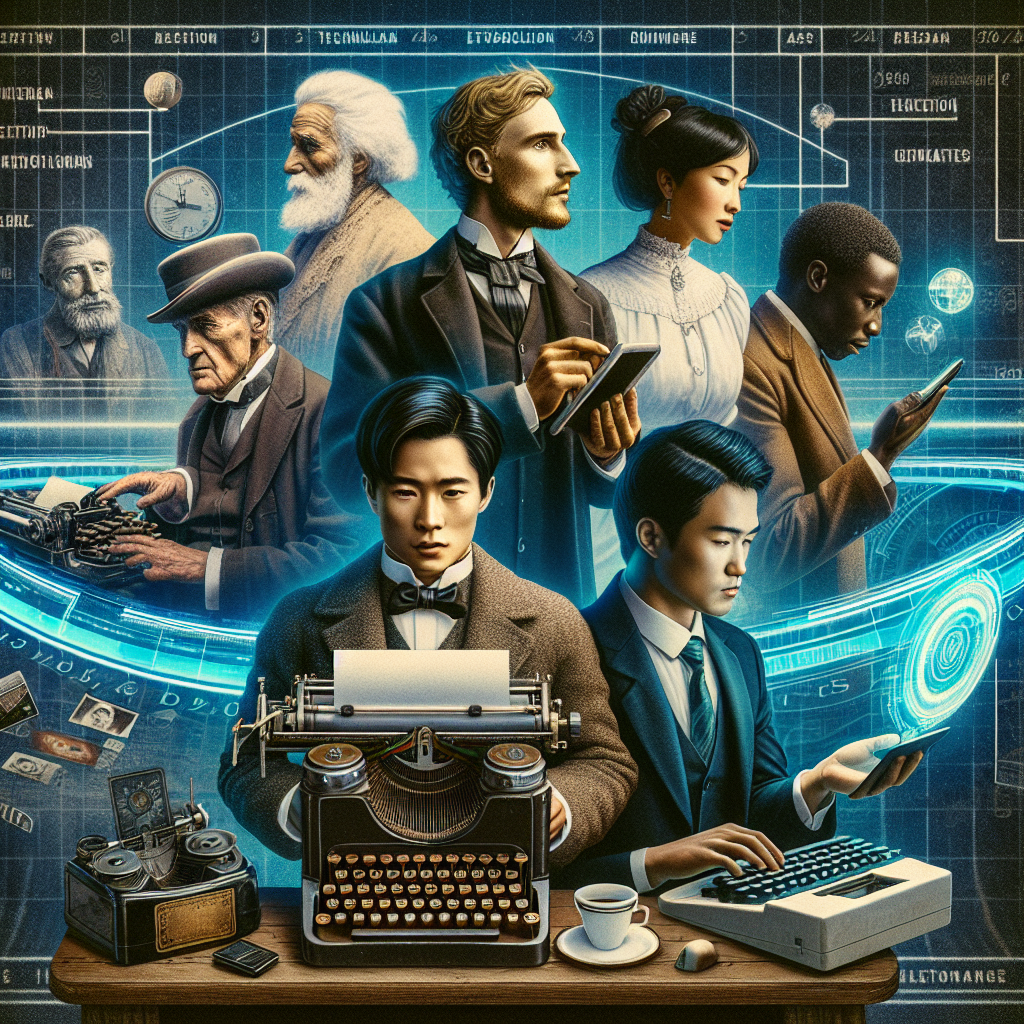
The advent of artificial intelligence (AI) has sparked a revolutionary shift across numerous sectors, fundamentally altering the way we conduct business, interact with technology, and live our daily lives. This article delves into the multifaceted impacts of AI and its potential to redefine possibilities across various industries.
1. The Rise of AI: A Historical Context
AI has transitioned from theoretical concepts envisioned by pioneers like Alan Turing to practical applications that shape our present. The exponential growth in computational power and data availability has fueled this transformation, leading to advancements such as machine learning, natural language processing, and robotics.
2. Transforming Industries
AI is not limited to tech-driven sectors; its influence extends across diverse industries:
- Healthcare: AI algorithms are enhancing diagnostics, personalizing treatment plans, and predicting patient outcomes. From robotic surgeries to AI-driven drug discovery, the potential for improved patient care is immense.
- Finance: In finance, AI analyzes market trends, detects fraud, and automates trading decisions, thereby increasing efficiency and minimizing risks.
- Manufacturing: Smart factories harness AI for predictive maintenance, optimizing supply chains, and improving production processes, leading to reduced costs and increased productivity.
- Retail: Retailers use AI to enhance customer experiences through personalized recommendations, inventory management, and dynamic pricing strategies.
- Transportation: AI is at the core of self-driving technology and traffic management systems, potentially revolutionizing how we interact with transport systems.
3. Redefining Possibilities: The Human-AI Collaboration
As AI continues to evolve, the notion of collaboration between humans and machines is becoming increasingly significant. AI is not a replacement for human labor; instead, it serves to augment our abilities:
- Enhanced Decision-Making: AI tools can analyze vast datasets more swiftly than humans, offering insights that enhance decision-making processes across sectors.
- Creativity and Innovation: AI is becoming a partner in creative fields, assisting artists, writers, and musicians in exploring new frontiers of creativity.
- Skills Development: As AI automates repetitive tasks, the workforce can pivot towards more strategic roles, fostering opportunities for upskilling and continuous learning.
4. Ethical Considerations: Navigating the Future
With great power comes great responsibility. The rapid adoption of AI raises several ethical concerns:
- Bias and Fairness: Ensuring AI systems are free from bias is crucial to maintain fairness in applications spanning hiring practices to law enforcement.
- Privacy Concerns: The collection and use of vast amounts of data to train AI systems pose challenges regarding data privacy and security.
- Job Displacement: While AI creates new opportunities, it also threatens certain job categories, necessitating proactive measures in workforce transition and education.
5. Conclusion: Embracing the AI Future
The AI revolution is here, ushering in innovations that have the power to transform industries and redefine the limits of what is possible. By fostering a balanced approach that embraces technological advancement while addressing ethical considerations, we can harness the potential of AI to create a better future for society.
As we stand on the brink of this exciting era, the collaborative journey between humans and AI holds the promise of unprecedented possibilities yet to be realized.
