
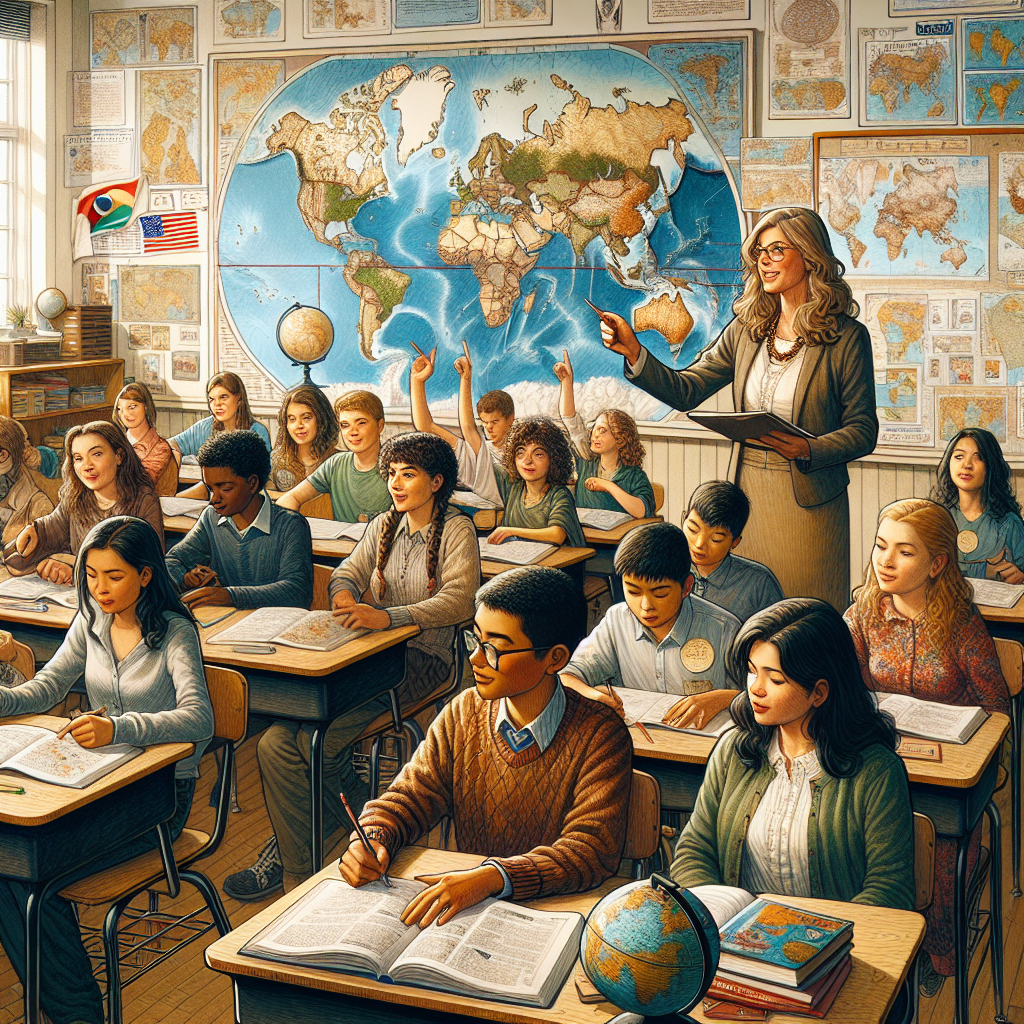
Education is the cornerstone of personal and societal growth. However, for too many individuals, systemic barriers prevent access to quality learning experiences. This guide explores the importance of education accessibility and offers practical steps to make educational environments welcoming and effective for everyone.
Understanding Education Accessibility
Education accessibility refers to the design of educational environments and practices that enable all individuals, regardless of ability, to participate fully in learning. This includes addressing physical, cognitive, and technological barriers that may impair a student’s ability to access or benefit from education.
The Importance of Accessibility in Education
Accessibility is crucial for several reasons:
- Equal Opportunity: Every individual deserves equal access to educational resources and opportunities.
- Diverse Learning Environments: Accessible education fosters inclusion, encouraging diverse perspectives and backgrounds within classrooms.
- Empowering Students: Providing the necessary tools and support empowers all students to realize their full potential.
- Complying with Regulations: Many regions have laws mandating accessibility in education, such as the Americans with Disabilities Act (ADA) in the U.S.
Common Barriers to Education Accessibility
Identifying barriers is the first step in creating an accessible educational environment. Some common barriers include:
- Physical Barriers: Inadequate ramps, elevators, or seating options that hinder mobility.
- Cognitive Barriers: Materials that are not designed for diverse learning needs, including complex language and lack of alternative formats.
- Technological Barriers: Absence of assistive technology and tools that make learning equitable for students with disabilities.
Strategies for Improving Accessibility
To cultivate an accessible educational landscape, consider the following strategies:
1. Incorporate Universal Design for Learning (UDL)
UDL is a framework that encourages the development of flexible learning environments to accommodate individual learning differences.
2. Raise Awareness and Provide Training
Educators and administrative staff should receive ongoing training on accessibility issues, fostering a culture of awareness and inclusion.
3. Implement Assistive Technology
Utilize tools such as screen readers, speech recognition software, and alternative input devices to help students access educational content effectively.
4. Collaborate with Students
Engage students with diverse needs in the conversation to understand their specific challenges and preferences.
Conclusion
Breaking down barriers in education is not just an obligation; it’s a moral imperative. By prioritizing accessibility, we can create educational environments that not only fulfill legal requirements but also enrich the learning experiences of all students. Together, we can design a system that empowers every learner to succeed.
