
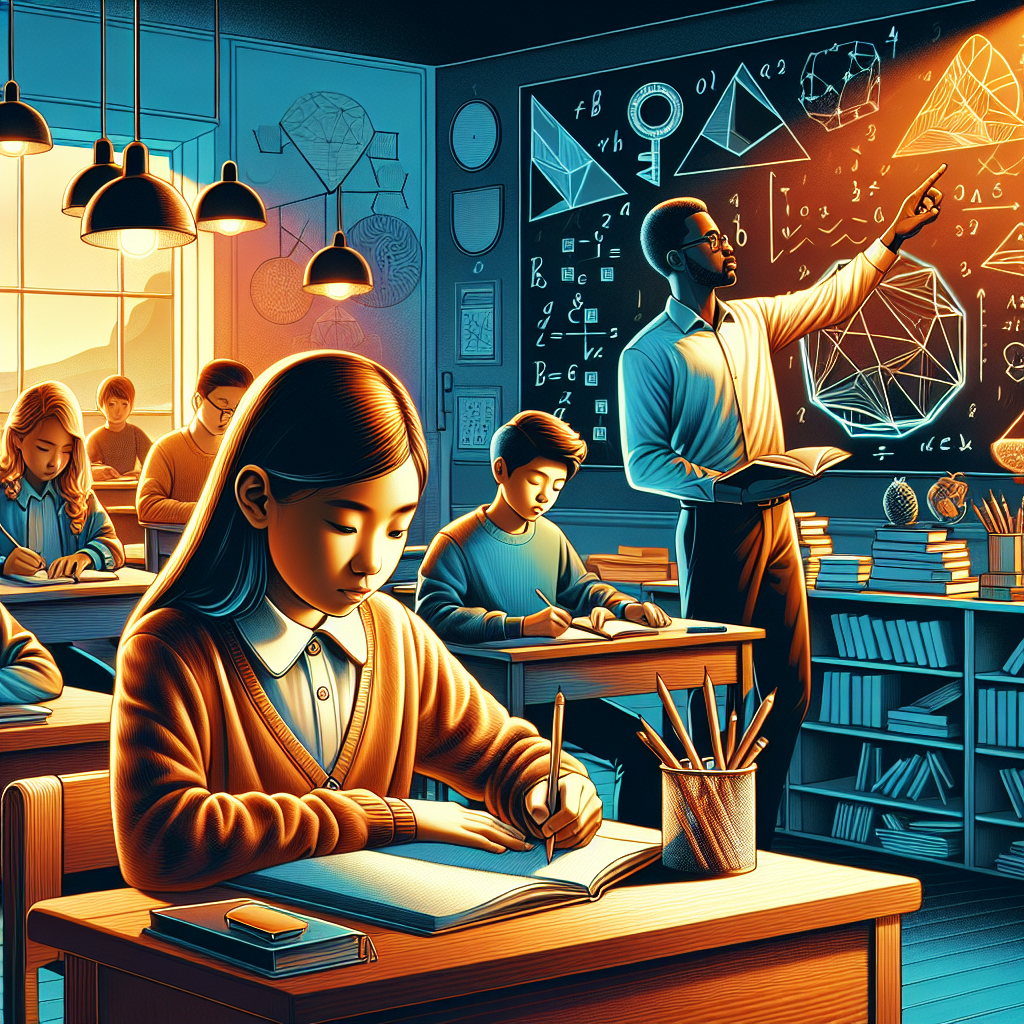
Preparing Students for a Tech-Driven Future
Introduction
As we move further into the 21st century, the landscape of education is rapidly evolving. Students today are exposed to a world increasingly dominated by technology. From the earliest days of scribbling with crayons to navigating complex coding languages, preparing younger generations for a tech-driven future has never been more critical.
The Importance of Early Exposure to Technology
Introducing students to technology at a young age can set a strong foundation for their future learning. Digital literacy is becoming as essential as traditional literacy and numeracy. Programs that blend creative arts with programming skills can foster both innovation and critical thinking.
Integrating Coding into the Curriculum
Many educators are recognizing the importance of incorporating coding into their curriculum. Simple coding platforms, like Scratch and Code.org, can make learning programming fun and engaging for students. By integrating coding lessons with existing subjects, such as math, science, or art, educators can help students see the relevance and practicality of these skills in their daily lives.
STEM and Beyond: Emphasizing a Holistic Approach
While STEM (Science, Technology, Engineering, and Mathematics) education is vital, it is equally important to encourage students to develop skills in the arts and humanities. This holistic approach enables creativity and problem-solving skills, which are essential for innovation. Combining artistic expression with coding can inspire students to think outside the box.
Real-world Applications and Problem Solving
Engaging students in real-world applications of technology can make learning more impactful. Project-based learning opportunities, such as creating apps or websites that solve community issues, can provide students with a sense of purpose. These experiences not only enhance technical skills but also foster collaboration and communication abilities.
Conclusion
As we prepare students for a future that will be shaped by technology, educators must embrace the transition from crayons to coding. By fostering an environment that encourages creativity, critical thinking, and digital literacy, we can equip our students with the tools they need to thrive in an increasingly tech-driven world. The journey from crayons to coding is not just about learning to code; it’s about preparing for a future filled with endless possibilities.
