
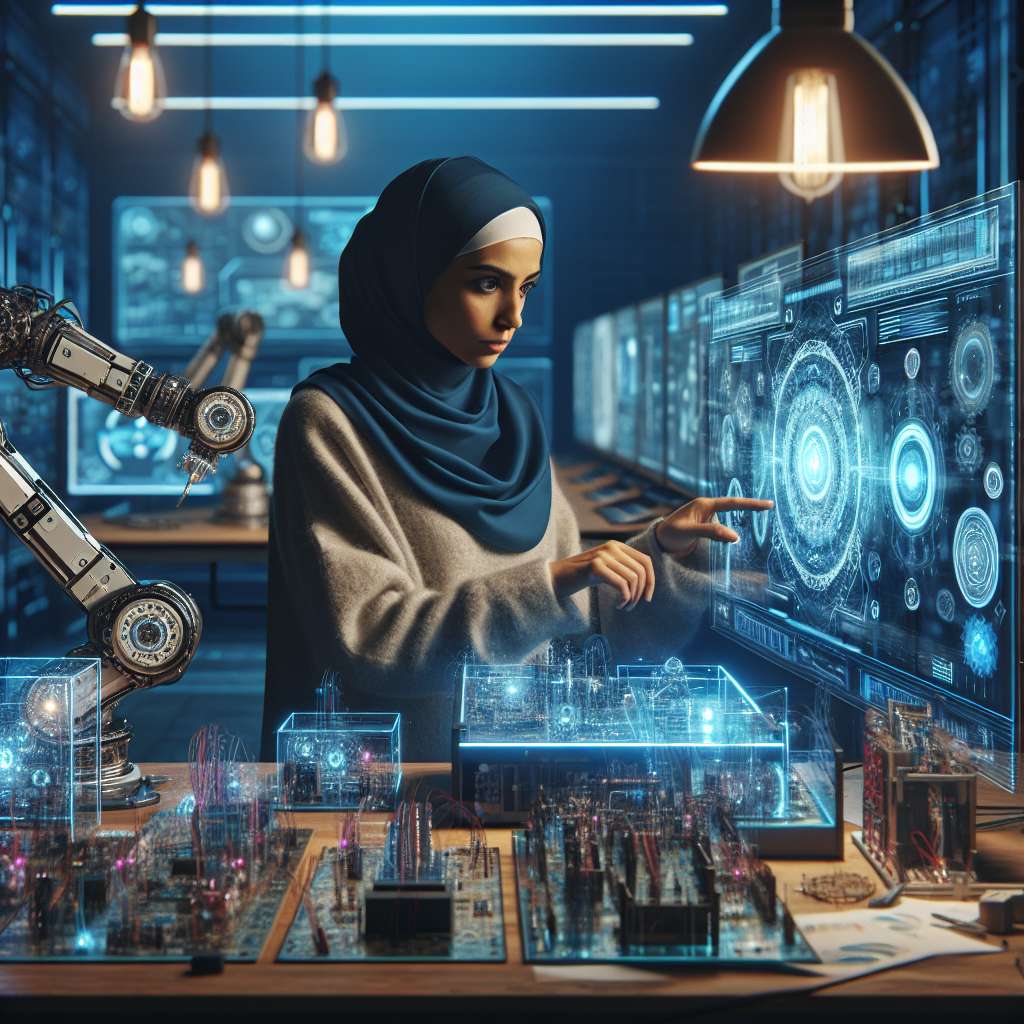
As artificial intelligence (AI) continues to evolve, its influence on our everyday lives has transformed from mere fiction to a pressing reality. From personal assistants to self-driving cars, AI is permeating various sectors, revolutionizing how we live, work, and think.
The Rise of AI Technologies
AI technology has advanced exponentially in recent years. Initially depicted in science fiction novels and films, AI is now a tangible part of our daily routines. Major tech companies are investing heavily in developing AI tools, leading to significant breakthroughs.
Transforming Daily Activities
AI’s impact can be observed across various aspects of our lives:
- Smart Assistants: Devices like Amazon’s Alexa and Google Assistant help users with tasks ranging from setting reminders to controlling smart home devices.
- Personalized Recommendations: Streaming platforms like Netflix and Spotify use AI algorithms to analyze user preferences and deliver customized content suggestions.
- Smart Home Devices: AI powers smart thermostats, lighting systems, and security cameras that learn our habits and enhance our living environments.
- Healthcare Innovations: AI is revolutionizing diagnostics and personalized medicine, using data analysis to predict patient outcomes and optimize treatment plans.
Implications for the Workforce
The integration of AI into the workforce presents both opportunities and challenges. While AI can handle repetitive tasks more efficiently than humans, it also raises concerns about job displacement.
Many industries are witnessing a shift towards hybrid models where AI and human workers collaborate. This new paradigm requires workers to adapt and develop new skill sets aimed at complementing AI capabilities.
The Ethical Considerations
As AI technology advances, ethical dilemmas arise. Key issues include:
- The potential for bias in AI decision-making processes.
- Data privacy and security concerns regarding user information.
- The accountability of AI systems when mistakes occur.
As we continue to integrate AI into our lives, it is essential to establish frameworks that address these ethical considerations.
Looking Ahead
AI is not just a passing trend; it is here to stay. Future advancements will likely bring about even more profound changes in society. The challenge will be to harness these developments responsibly, ensuring that AI serves as a tool for enhancing quality of life rather than diminishing it.
