
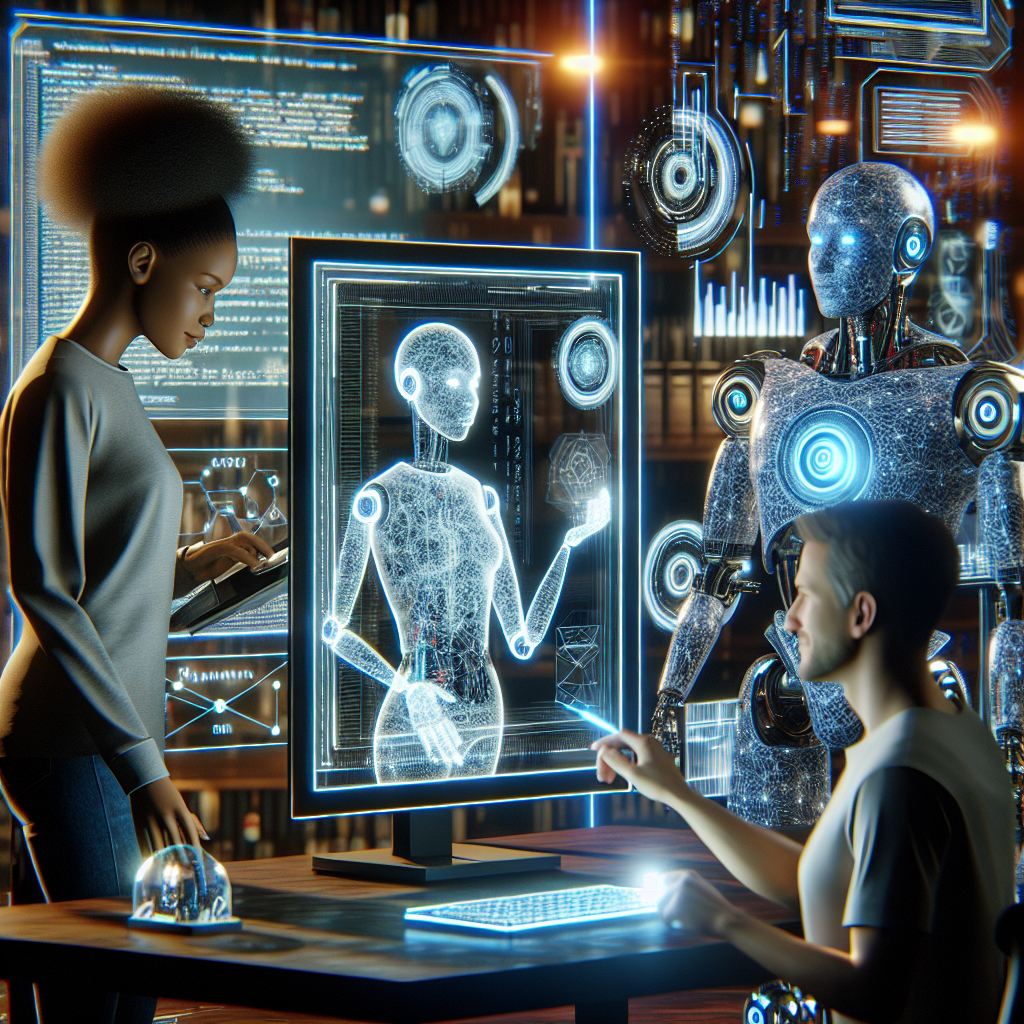
The entertainment industry has always been a hub for innovation and creativity. In recent years, Artificial Intelligence (AI) has become a game-changer, transforming how content is created, distributed, and consumed. From personalized viewing experiences to advanced content production techniques, AI is reshaping every corner of the entertainment landscape.
AI in Content Creation
AI is revolutionizing the way artists, writers, and filmmakers craft their work. Here are some key areas where AI is making an impact:
- Scriptwriting: AI algorithms can analyze successful scripts to generate new ideas or even draft entire scripts based on given parameters.
- Music Composition: AI tools can compose original music tracks, allowing artists to focus more on creativity rather than the technicalities of music production.
- Visual Effects: AI helps in creating realistic visual effects, making it easier and faster to produce high-quality films and animations.
Personalization and Recommendations
One of the most significant contributions of AI in entertainment is enhancing user experiences through personalization. Streaming platforms like Netflix and Spotify utilize AI algorithms to:
- Analyze user preferences and habits.
- Recommend content based on viewing or listening history.
- Curate personalized playlists and watchlists, ensuring users discover new content they are likely to enjoy.
Virtual Reality and Gaming
AI is also transforming gaming and virtual reality (VR) experiences:
- Adaptive Gameplay: AI can tailor game difficulty and challenges based on player skills, offering a more engaging experience.
- Character Interaction: Non-player characters (NPCs) powered by AI can interact more realistically with players, making the gameplay immersive and dynamic.
- VR Environments: AI technologies enhance VR environments, allowing for more complex and adaptive settings that respond to player actions.
The Future of AI in Entertainment
As AI continues to evolve, its role in the entertainment industry will likely expand even further. Some potential future advancements include:
- Interactive Storytelling: AI could enable audiences to influence narratives in real-time, creating a more interactive and engaging storytelling experience.
- Enhanced Audience Analytics: More sophisticated data analysis can provide insights into audience behavior, allowing creators to better understand their target market.
Conclusion
The integration of AI into the entertainment sector is no longer a distant concept; it is a reality that is reshaping how creators, distributors, and consumers interact with content. As we move forward, the potential of AI to innovate and enhance the entertainment experience will only continue to grow, promising exciting developments for audiences worldwide.
