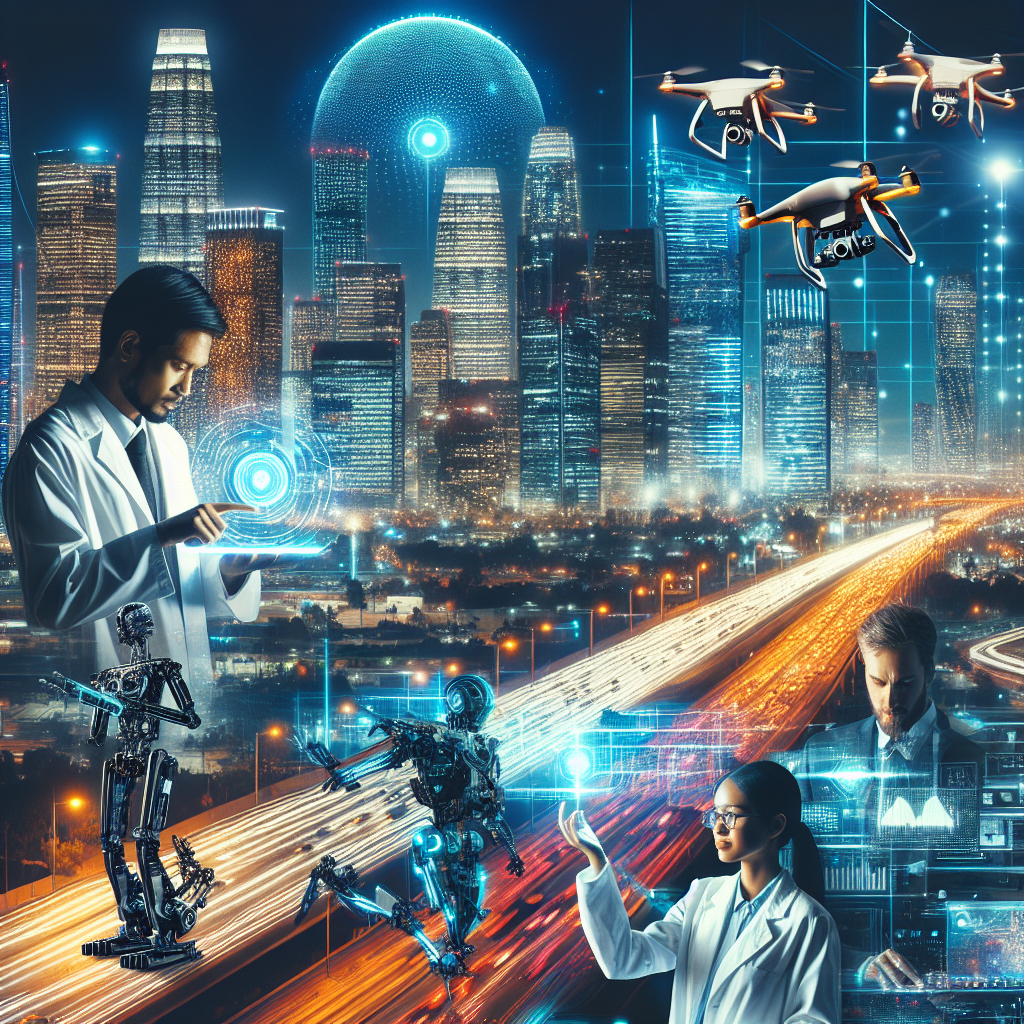
The advent of Artificial Intelligence (AI) is transforming the workplace in unprecedented ways. From automating mundane tasks to enhancing decision-making processes, AI is reshaping how businesses operate and how employees engage with their roles. This article explores the impact of AI on the workforce, the benefits it brings, and the challenges that come along with its integration.
1. Automation of Routine Tasks
One of the most immediate effects of AI in the workplace is the automation of routine tasks. Job roles that involve repetitive and predictable tasks are increasingly being delegated to AI systems. This not only improves efficiency but also allows employees to focus on more strategic and creative aspects of their work.
- Data entry and processing
- Customer support through chatbots
- Inventory management
2. Enhanced Decision-Making
AI technologies can analyze large datasets quickly and accurately, providing insights that can lead to better decision-making. Organizations are employing AI to interpret market trends, customer behaviors, and operational efficiencies, leading to more informed strategic choices.
3. Personalized Employee Experiences
AI can enhance employee experiences by personalizing learning and development. Intelligent systems can identify skills gaps and recommend training resources tailored to individual employees, promoting career growth and satisfaction.
4. Challenges of Integration
While the benefits of AI are significant, integrating these technologies into the workplace does not come without challenges. Some key issues include:
- Job Displacement: Automation can lead to job loss, particularly in roles where tasks are highly routine and predictable.
- Security Concerns: As AI collects and processes vast amounts of data, concerns regarding data privacy and cybersecurity become paramount.
- Ethical Considerations: The use of AI also raises ethical questions, such as bias in AI algorithms and the potential for surveillance in the workplace.
5. Preparing for an AI-Driven Future
Organizations must adapt to the rapid changes brought by AI. This preparation includes:
- Investing in continuous learning and upskilling programs for employees.
- Creating a culture of innovation that embraces change and experimentation.
- Implementing ethical guidelines for AI usage to safeguard employee rights and privacy.
Conclusion
The future of work is undeniably intertwined with AI technology. By embracing this change, organizations can enhance productivity, foster innovation, and create a more engaged workforce. However, it is crucial that they navigate the associated challenges thoughtfully to ensure a equitable workplace for all. The journey may be complex, but the potential rewards of an AI-enhanced future are immense.
