
Family Fitness Technology in 2026: Active Games, Outdoor Apps, and Getting Kids Moving
Family Fitness Technology in 2026: Active Games, Outdoor Apps, and Getting Kids Moving
nnChildren in 2026 are more sedentary than any previous generation. Screen time for school-age children averages 7.5 hours per day. Rates of childhood obesity have doubled since the 1990s. And the generation that grew up with smartphones shows measurably lower physical literacy — fundamental movement skills like running, jumping, throwing, and climbing — than their predecessors. The irony is that technology is simultaneously the cause of this sedentary drift and potentially a tool to reverse it, if used well.
Family fitness technology in 2026 has fragmented into two distinct philosophies. One uses technology to make physical activity more engaging and game-like — exergaming, fitness tracking, competitive challenges. The other uses technology to facilitate family coordination and outdoor activity — trail apps, sports tracking, schedule management. Both have merit, and the families seeing the best results typically use both, depending on context and weather.
Active video games: when screens and movement collide
The Nintendo Switch sports genre — Ring Fit Adventure, Nintendo Switch Sports — has demonstrated that physical video games can generate genuine exercise loads while maintaining the engagement characteristics that make gaming compelling. Ring Fit Adventure, released in 2019 and still actively played in 2026, uses a resistance ring and leg strap to require physical effort to progress through a role-playing game. Studies measuring exercise intensity during Ring Fit Adventure found moderate aerobic activity comparable to a brisk walk — genuinely beneficial for children who would otherwise be sedentary during that screen time.
Beat Saber on Meta Quest has become one of the most played fitness applications in the VR ecosystem — a rhythm game that requires full-body movement to slice virtual blocks, with higher difficulty levels providing cardio workouts that rival gym exercises. Children who would flatly refuse to “exercise” will play Beat Saber for an hour enthusiastically, generating significant caloric expenditure in the process. This is not a replacement for varied physical activity and outdoor play, but as a weather-independent, entertaining alternative to passive screen consumption, it’s genuinely beneficial.
Supernatural (now owned by Meta) provides VR fitness specifically designed to be a workout, combining music, stunning environments, and full-body movement into daily sessions that Apple Fitness+ data confirms are aerobically effective. Membership has grown significantly as the Quest headset has become a family entertainment device rather than just a gaming peripheral.

Family fitness technology by age and activity: 2026
| Activity type | Best technology | Age range | Cost |
|---|---|---|---|
| Active gaming | Ring Fit Adventure, Beat Saber (Quest) | 8+ years | $40-70 game + hardware |
| Family hiking/biking | AllTrails Family, Komoot | All ages (difficulty filtering) | Free–$30/year |
| Kids fitness tracking | Garmin vívofit jr. 3, Fitbit Ace 3 | 6-14 years | $60-100 |
| Family challenges | Apple Fitness+ family sharing, Strava family | Teens + parents | $80/year (family sharing) |
| Youth sports coordination | TeamSnap, SportsEngine | All ages in organized sports | Free–$15/month |
Kids fitness trackers: worth it or just surveillance?
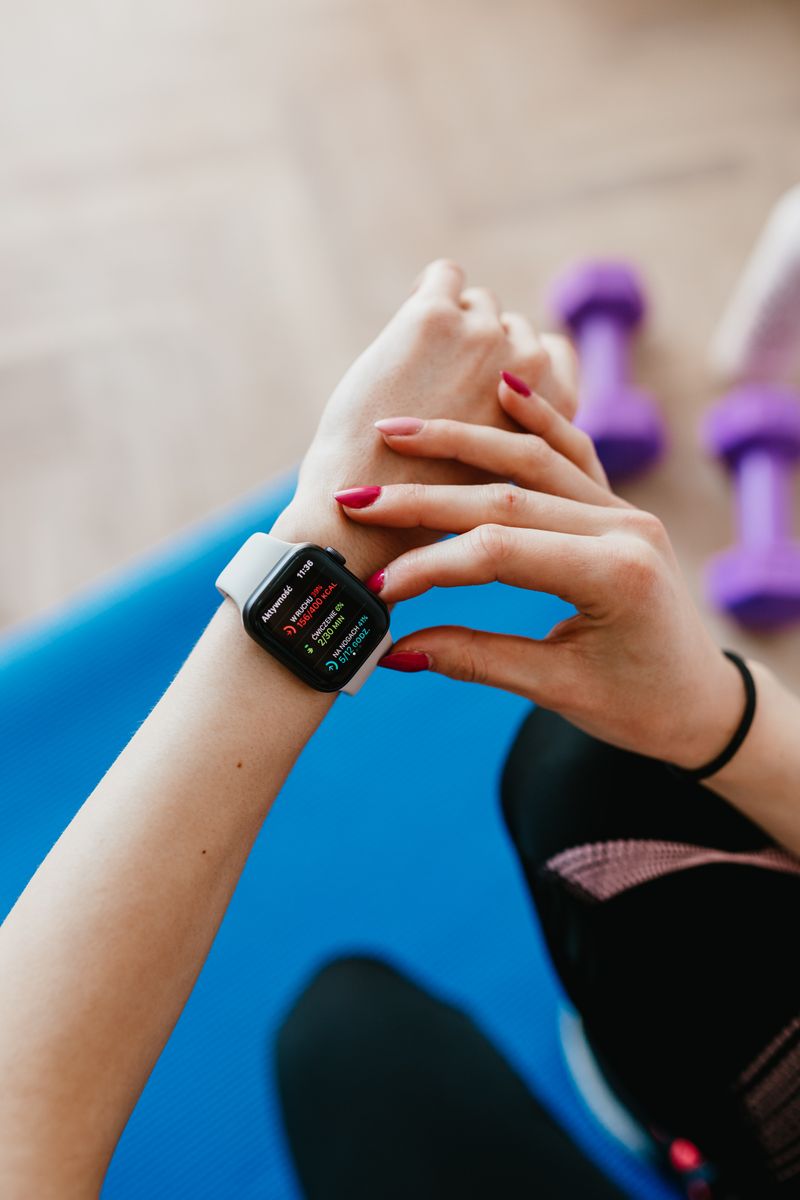
Wearable fitness trackers for children have attracted both enthusiasm and skepticism. The Garmin vívofit jr. 3 and Fitbit Ace 3 track steps, active minutes, and sleep for children aged 6-14, with parent dashboards showing activity data and app-based games that reward physical activity with in-game progress. The gamification approach — a Garmin adventure game where steps unlock story content — has been shown to increase daily step counts in randomized trials.
The concern from child development researchers: external rewards for physical activity (badges, games, step goals) can undermine intrinsic motivation for movement — the goal should be children who move because they enjoy it, not because an app rewards them. The limited research on child fitness trackers suggests short-term activity increases that diminish as novelty fades, rather than durable behavior change. This parallels the broader fitness tracker research for adults.
The most defensible use: fitness trackers for children who aren’t already active, used temporarily to establish a movement baseline and create initial engagement with tracking, then phased out in favor of activities the child genuinely enjoys. Using them as permanent surveillance or enforcement tools tends to backfire, creating negative associations with physical activity that persist into adulthood.

The biggest impact: removing barriers to outdoor activity
The most impactful family fitness technology in 2026 isn’t the most sophisticated — it’s AllTrails. The hiking and trail app, with 60 million members in 2026, has made finding appropriate outdoor activities dramatically easier for families. Filter by distance, difficulty, features (kid-friendly, stroller-accessible, dog-friendly), and reviews from other families to identify trails that work for your specific group. The result: families who would previously have avoided hiking because they didn’t know where to go or whether the trail would be appropriate now have access to a curated, reviewed database of local outdoor experiences.
This kind of friction reduction — making it easy to find, plan, and complete outdoor activities — has more potential to improve family fitness than any gamification app, because it supports activities with genuine intrinsic appeal rather than creating artificial rewards for them. Technology works best in fitness when it removes barriers to things people actually want to do. AllTrails, Strava (for cycling), and Geocaching (a GPS treasure-hunting activity that has engaged millions of families in outdoor exploration) all operate on this principle.
