
Mental Health Apps in 2026: What the Clinical Evidence Actually Shows
The mental health app market was worth $7.3 billion in 2025 and is growing at 15% annually. Woebot — an AI chatbot delivering cognitive behavioural therapy through text conversations — received FDA Breakthrough Device designation, the first mental health chatbot to do so. But here’s the question the wellness tech industry doesn’t love hearing: do these apps actually work? The answer, based on the best available evidence in 2026, is “sometimes, for some people, for some conditions — but not as a replacement for professional care.” That nuanced reality gets lost in marketing that positions meditation apps as solutions to clinical anxiety and AI chatbots as substitutes for therapists.
What the research actually shows
The evidence for meditation apps is strongest for stress reduction and mild-to-moderate anxiety in healthy adults. A 2025 meta-analysis in JAMA Internal Medicine reviewing 28 RCTs of app-based mindfulness interventions found small but significant improvements in anxiety (effect size 0.28) and perceived stress (0.31). For context, that’s roughly half the effect size of in-person CBT — meaningful, but not transformative. For clinical depression, no meditation app has demonstrated effectiveness comparable to therapy or medication. This matters because apps are increasingly offered to employees with depression through workplace wellness programmes, potentially delaying access to evidence-based treatment.
AI chatbot therapy is more promising. Woebot’s clinical trials showed significant reductions in depression and anxiety symptoms after 8 weeks, with effect sizes comparable to self-help workbooks. Wysa published results showing 31% reduction in PHQ-9 depression scores over 12 weeks. These aren’t replacements for human therapists, but they’re credible tools for people who can’t access therapy due to cost, geography, or stigma — which describes a very large number of people.
Mental health apps compared 2026
| App | Approach | Clinical evidence | Cost |
|---|---|---|---|
| Calm | Guided meditation, sleep stories, breathing | Moderate (stress and sleep, not clinical) | $70/year |
| Headspace | Mindfulness, meditation courses, focus music | Strong (multiple published RCTs) | $70/year |
| Woebot | AI chatbot delivering CBT techniques | Strong (FDA Breakthrough Device) | Free via employer/health plan |
| Wysa | AI chatbot + human coach escalation | Moderate (published clinical data) | Free basic / $100/year premium |
| BetterHelp | Video/text therapy with licensed therapists | Comparable to in-person therapy | $65–$100/week |
The wearable integration wave
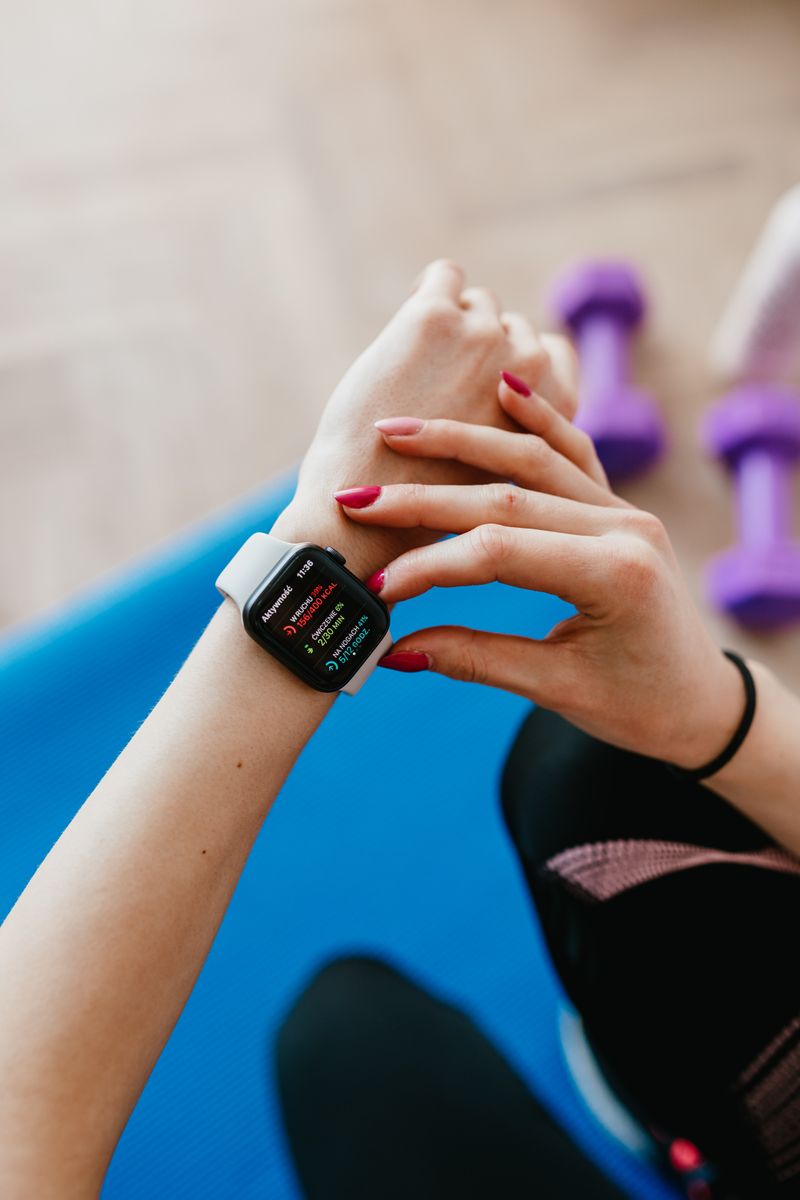
When Calm or Headspace can see your HRV data from an Apple Watch, it stops being a generic meditation timer and becomes a responsive tool that detects elevated stress and suggests a breathing exercise at the exact moment you need it. Samsung’s Galaxy Watch includes a “stress coaching” feature that triggers guided interventions when biometrics suggest anxiety. Oura Ring’s “Resilience” score, introduced in late 2025, combines sleep quality, HRV, and daytime stress into a single mental resilience metric that correlates meaningfully with self-reported wellbeing — though it’s far from a clinical diagnostic tool.
This raises its own concerns. Constant monitoring could become another source of anxiety for people prone to health worry. And the data implications are significant — your employer’s wellness programme knowing your real-time stress levels creates power dynamics that current privacy law doesn’t adequately address.

Where this falls short
Mental health technology has real limitations the industry sometimes obscures. Apps work best for mild symptoms and stress management — not serious mental illness. They can’t detect suicidal ideation reliably. They can’t provide the therapeutic relationship that is itself a major component of effective therapy. And they create a two-tier system where people with resources get human therapists while those without resources get chatbots — raising equity concerns even if the chatbots are genuinely helpful.
Mental health technology in 2026 is a legitimate complement to professional care — and for billions who can’t access therapy due to cost, geography, or cultural barriers, it’s often the only option available. The best apps are backed by real clinical evidence and designed with appropriate limitations in mind. Knowing the difference matters. Start by asking one simple question: what does the peer-reviewed research say? If the company can’t point to published clinical trials, that tells you what you need to know.
