

Frugal Living Technology in 2026: How to Save $1,800+ Annually Without Changing Your Lifestyle
The average American household pays for 12.4 subscriptions — streaming services, gym memberships, software tools, delivery apps, news publications. Most haven’t reviewed what they’re paying for in over a year. A 2025 C+R Research survey found consumers underestimate their monthly subscription spending by an average of $133 — nearly $1,600 per year on services people often forgot they even had.
Technology created this subscription bloat, and technology can fix it. Frugal living in 2026 isn’t about couponing in Sunday newspapers — it’s about using technology to systematically pay less for things you already buy.
The subscription audit: where to start
The most financially impactful 30-minute exercise for most households: go through bank and credit card statements for the last three months and list every recurring charge. You will find services you forgot you had, free trials that converted to paid without notice, and services you’re no longer using. Studies of households completing subscription audits find average savings of $80–120 per month from services they cancel or downgrade. Rocket Money and Monarch Money automatically identify recurring charges, and Rocket Money will negotiate bills on your behalf for cable, internet, and insurance — taking a percentage of the savings as its fee.
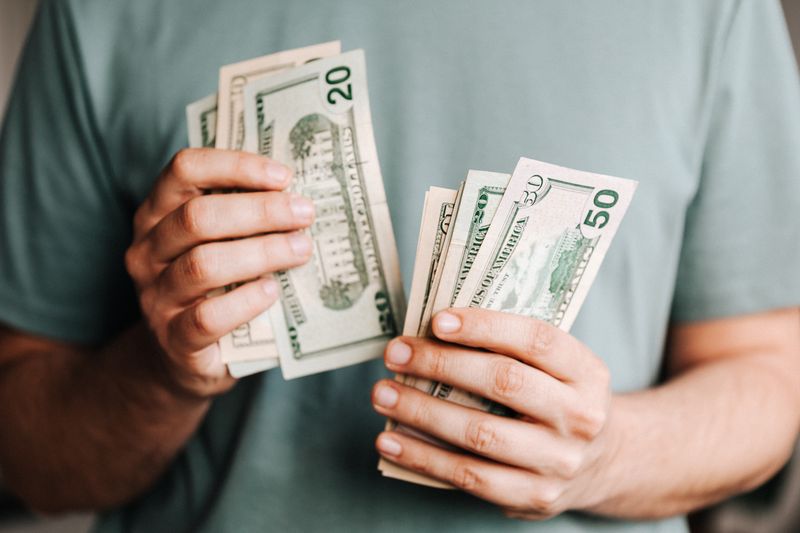
Frugal living technology tools 2026
| Tool | Function | Annual savings potential | Cost |
|---|---|---|---|
| Rocket Money | Subscription tracking + bill negotiation | $960–1,440 on subscriptions + negotiation savings | Free / $4–12/month premium |
| Honey / Capital One Shopping | Browser coupon auto-application + price comparison | $200–600 depending on shopping volume | Free |
| Rakuten | Cashback portal for major retailers | $200–800 (2–10% back at 3,500+ stores) | Free |
| Flipp | Digital grocery flyers, deal finder, shopping list | $500–1,200 on groceries | Free |
| CamelCamelCamel / Keepa | Amazon price history tracking, deal alerts | Avoids paying peak prices on major purchases | Free |
Cashback and coupon technology: passive savings
Honey and Capital One Shopping automatically test coupon codes at checkout across thousands of retailers, saving the average user $100–200 per year with no active effort. Rakuten is a cashback portal — start your shopping trip from Rakuten’s extension, click through to a retailer, and earn 2–10% cashback from Rakuten’s affiliate revenue. Quarterly cash payments for purchases you would have made anyway represent genuinely free money. For groceries, Ibotta provides cashback on purchases verified by receipt scan. Flipp aggregates weekly store flyers so you can see which store has the best price before you go.
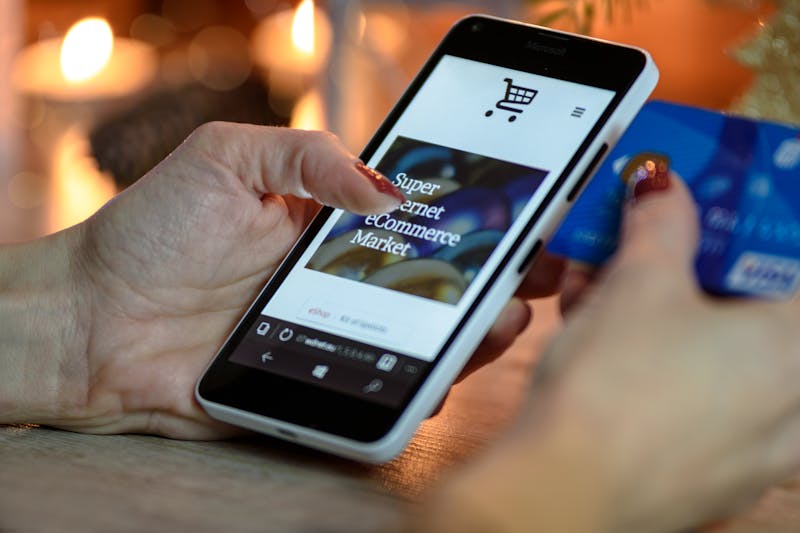
The hidden costs technology can eliminate
Switching to a no-fee neobank (Chime, Ally, SoFi) saves $150–200+ per year in maintenance fees, ATM fees, and minimum balance penalties. Insurance comparison tools like Policygenius enable annual shopping that often reveals 15–30% savings by switching providers — most people haven’t compared car or home insurance in years and are paying loyalty penalty rates.
The compounding effect is significant. A household that completes a subscription audit ($960 saved), installs cashback tools ($400 saved), switches to a better bank ($200 saved), and shops insurance annually ($300 saved) finds $1,860 per year in new savings — not by earning more or sacrificing quality of life, but by using technology to stop paying more than necessary for things they were already buying.
