

AI in Daily Life in 2026: The Invisible Systems Running Your Day (and the Visible Ones Changing It)
There’s a good chance AI helped you get to work this morning. Google Maps and Waze use machine learning to predict traffic patterns and reroute you around incidents in real time. The email you read on your commute was sorted and prioritised by AI. The playlist was generated by a recommendation algorithm. Your phone’s facial recognition, battery optimisation, and photo sorting all run on AI models that execute invisibly in the background. AI in daily life in 2026 is mostly invisible — which is simultaneously its greatest achievement and the reason people underestimate how thoroughly it has permeated everyday existence.
The AI systems you use without knowing it
Google processes over 8.5 billion searches per day, with machine learning involved in every stage: understanding query intent, ranking results, detecting spam, and generating AI Overviews that directly answer questions. Gmail’s spam filters block over 100 million phishing emails daily. Smart Reply — AI-generated reply suggestions — was used to compose approximately 10% of all emails sent from Google products as of 2025. Smartphone cameras are perhaps the most visible daily AI application: when you point an iPhone at a scene, neural networks identify subjects, determine optimal exposure, apply computational bokeh, and adjust sharpness in real time. The photos from modern flagship smartphones aren’t captured — they’re computed.

Where AI touches your day
| Daily activity | AI involved | How it helps | Visible? |
|---|---|---|---|
| Morning commute | Google Maps, Waze routing AI | Real-time rerouting saves 15–20 min/day for urban commuters | Partially |
| Email management | Gmail spam filters, priority sorting, Smart Reply | Blocks 100M+ spam/phishing daily, saves ~15 min | Barely |
| Shopping | Amazon and retail recommendation engines | Personalised discovery; also dynamic pricing both ways | Partially |
| Smartphone photography | Computational photography, scene detection | Photos impossible without AI post-processing | Invisible |
| Entertainment | Netflix, Spotify, YouTube algorithms | Curates 80% of consumed content | No — by design |
The generative AI layer: what changed in 2023–2026
While invisible AI has been building for over a decade, the past three years brought a new visible layer: generative AI you interact with directly. ChatGPT, Claude, Gemini, and their competitors have become part of daily workflows for hundreds of millions of people. The most common use cases are mundane but genuinely time-saving: drafting emails, summarising documents, explaining unfamiliar concepts, debugging code, translating between languages. Microsoft reports that Copilot saves users an average of 14 minutes per day on email drafting, document summarisation, and meeting transcription. An hour per week saved on routine cognitive tasks translates to 50 hours per year — meaningful time redirected to higher-value work.
The ambient computing future
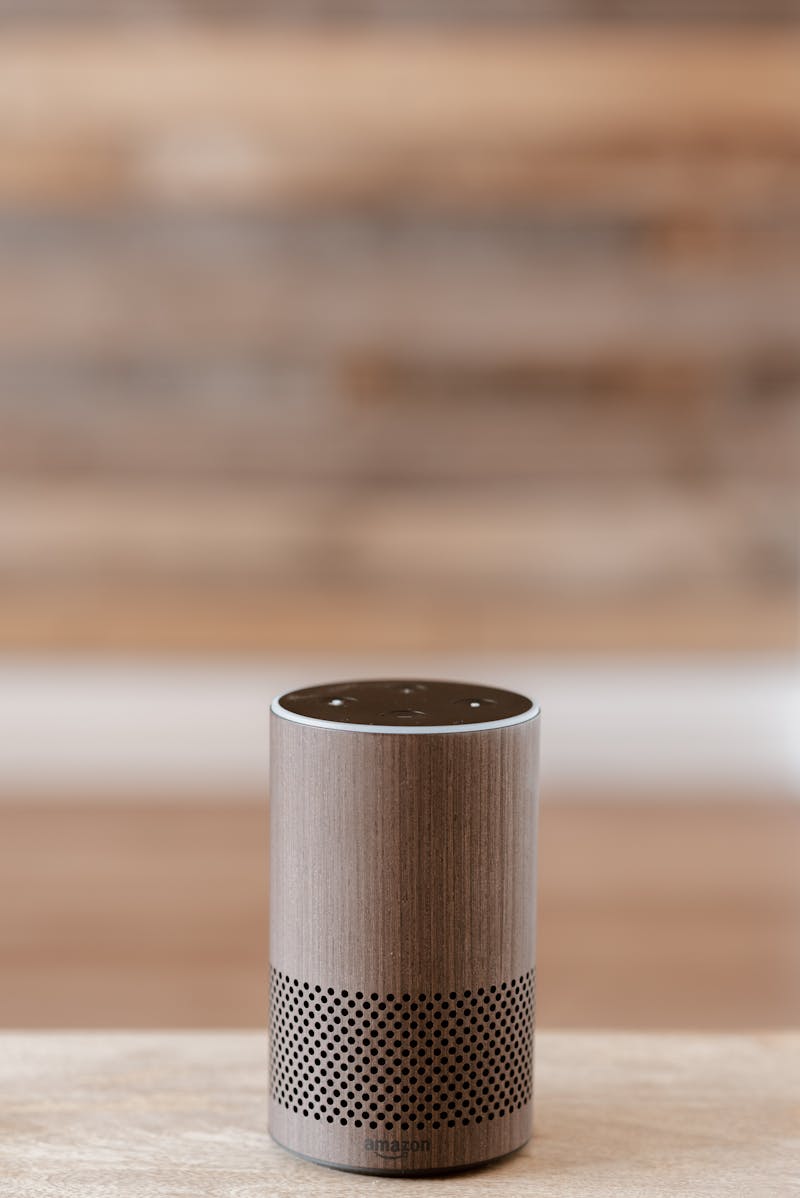
The direction of AI in daily life is toward ambient computing — AI everywhere, aware of your context, without requiring explicit prompting. Apple Intelligence, Google Gemini, and the broader industry direction involves systems that monitor your context continuously, anticipate your needs before you express them, and execute routine tasks automatically. The day isn’t far when your AI assistant knows you have a meeting in 30 minutes, has pre-read the relevant emails, checked traffic, and drafted the follow-up template — all before you’ve consciously thought about the meeting.
The philosophical question worth taking seriously: what does ambient AI mean for attention, autonomy, and the experience of managing one’s own life? If AI handles more and more daily cognitive load, what skills atrophy? What decisions do we lose the practice of making? And who controls the ambient AI that knows more about our daily lives than we consciously track? These aren’t reasons to reject the technology — they’re reasons to engage with it thoughtfully rather than by default.
