

Best Smart Home Gadgets Under $100 in 2026: Tested Picks That Actually Get Used
The smart home market in 2026 has a pricing paradox: the entry-level hardware that genuinely improves daily life costs less than a nice dinner, yet millions of households still haven’t made the jump. The barrier isn’t price — it’s uncertainty about which $30–100 purchases will actually get used versus which will end up in a drawer. The smart home gadgets that stick are those you interact with every day without thinking about them. The ones that collect dust are those that required you to change your behaviour rather than enhancing an existing one.
The best picks under $100
Smart plugs ($15–35) — start here. TP-Link Kasa EP25 ($25) turns any lamp, coffee maker, or fan into a connected device. Immediate value: scheduled on/off times, energy monitoring showing exactly how much each device costs to run, and voice control. It includes Matter compatibility and works with Alexa, Google, and Apple Home simultaneously. This is the highest ROI smart home purchase available.
Smart bulbs ($8–15). Philips Hue is the premium standard at $55 per bulb — not where to start. The TP-Link Tapo L530 ($13) provides RGBW colour, schedules, and voice control for a fraction of the price. The use case that converts sceptics: a light that gradually brightens 30 minutes before your alarm, simulating sunrise. It costs $13, takes five minutes to set up, and genuinely improves morning alertness.
Smart doorbell cameras ($50–90). The Eufy E340 ($90) delivers 4K dual-camera coverage with local storage and no subscription required. Unlike Ring and Nest, Eufy doesn’t charge a monthly fee for video history — a significant long-term cost advantage. Video doorbells consistently rank among the highest-satisfaction smart home upgrades in consumer surveys.

Full comparison: under $100 in 2026
| Product | Price | Best for | Works with |
|---|---|---|---|
| TP-Link Kasa EP25 Smart Plug | $25 | Energy monitoring, schedules | Alexa, Google, Apple, Matter |
| Tapo L530 Smart Bulb | $13 | Colour ambiance, schedules, sunrise alarm | Alexa, Google, Matter |
| Eufy Video Doorbell E340 | $90 | No-subscription 4K video | Alexa, Google, Apple |
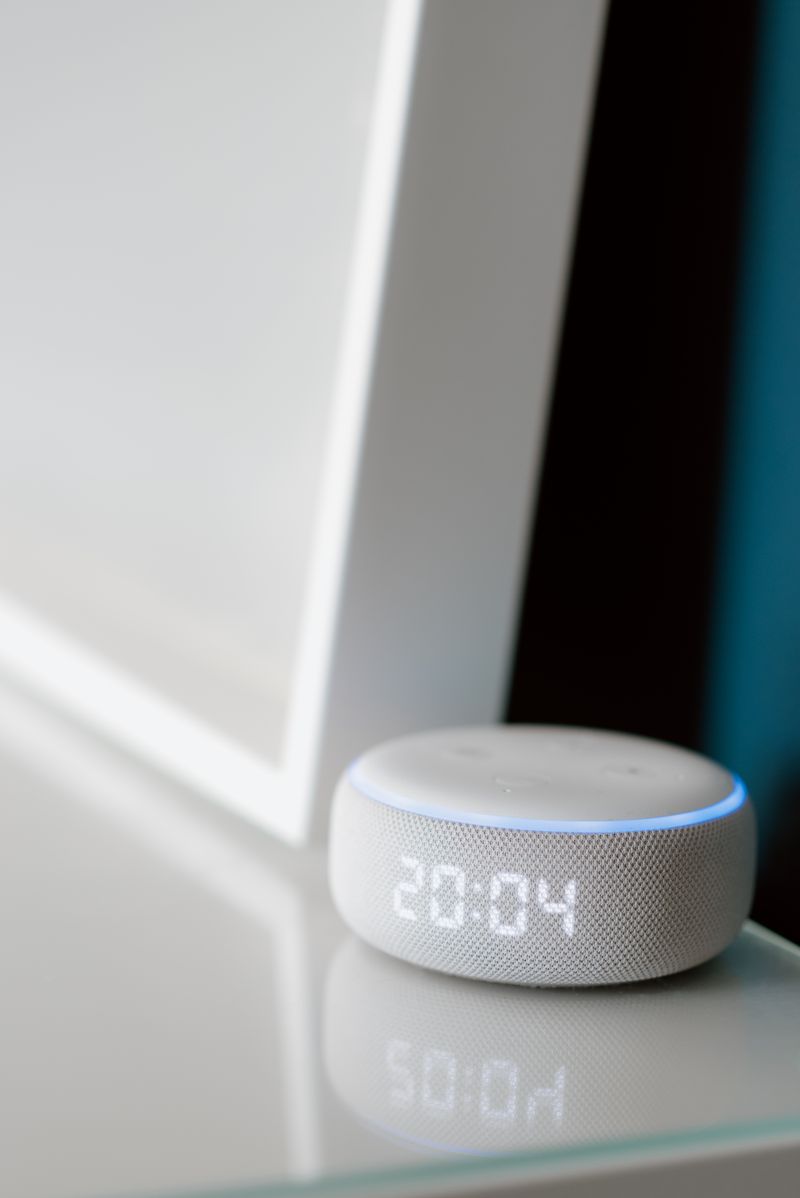
| Amazon Echo Pop | $40 | Voice control hub, music | Alexa ecosystem |
| Govee Smart LED Strip | $20 | Ambient lighting, TV backlighting | Alexa, Google |
| Wyze Cam v4 | $36 | Indoor security, AI detection | Alexa, Google |
Choose your ecosystem before you buy anything
The single most important smart home decision: Amazon Alexa, Google Home, or Apple HomeKit. Matter (now at version 1.4) has improved cross-platform compatibility significantly, but the best experience still comes from staying within one ecosystem. iPhone and Mac users: Apple Home. Android users: Google Home. Ecosystem-agnostic users: Alexa has the widest device compatibility at budget price points. Once you’ve chosen, every subsequent purchase becomes straightforward — everything speaks the same language.
The optimal starter kit under $100
Two smart plugs (two Kasa EP25s, $50) + two smart bulbs for frequently used lamps (two Tapo L530s, $26) + Echo Pop if you don’t have a hub ($40). Total: $66–116. This covers the highest-utility smart home functions — lighting automation, device control, and voice interaction — at the lowest possible entry cost. Resist buying gadgets that automate things you don’t actually do manually. The best smart home investments automate things you already do repeatedly. Start there.
