
Best Tablets in 2026: iPad vs Android vs Budget — Honest Comparison
nnThe tablet market in 2026 has stratified into three genuinely distinct tiers with different value propositions. At the premium end, the iPad Pro with M4 chip delivers laptop-class performance in a tablet form factor — the kind of device that can replace a MacBook for many workflows. In the middle, the iPad Air and Samsung Galaxy Tab S9 FE offer 80% of the premium experience at 60% of the cost. And at the budget end, the $250-350 category has legitimately excellent options where it was previously a graveyard of compromises.
The right choice depends almost entirely on your ecosystem and primary use case. If you’re deeply invested in Apple services (iCloud, Apple Pencil workflow, Logic, Procreate), the iPad Pro or Air is the clear answer. If you want a versatile media consumption and light productivity device at a reasonable price, the Android premium tier offers genuine alternatives. And if you primarily want a device for reading, streaming, and occasional web browsing, the budget category now delivers respectable performance.
Best tablets by category 2026
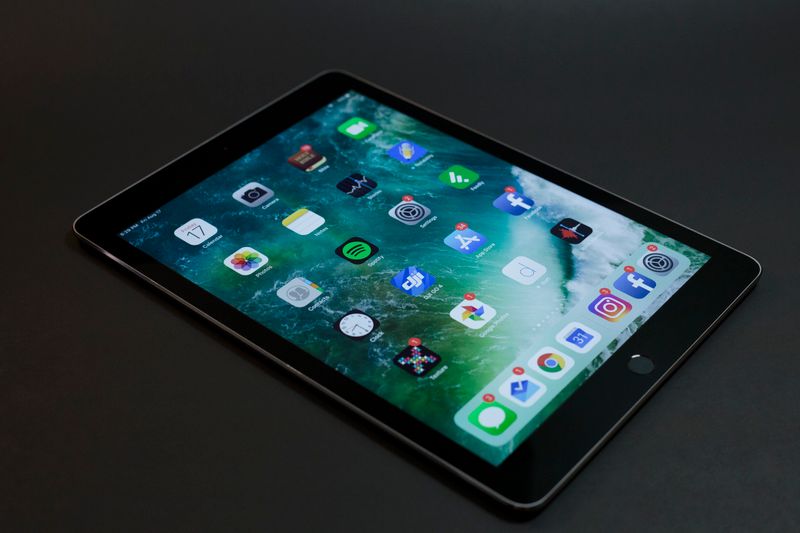
Best overall: iPad Air M2 ($599). The M2 chip provides performance that exceeds what most users will ever fully utilize. The 10.9-inch screen (or 13-inch in the larger model) handles video, creative work, and productivity comfortably. Apple Pencil 2 and Magic Keyboard compatibility makes it a legitimate laptop replacement for students and creative professionals. The sweet spot between the iPad Pro’s premium cost and the basic iPad’s compromises.
Best Android tablet: Samsung Galaxy Tab S9 FE ($450). Samsung’s Fan Edition delivers the Galaxy Tab experience — AMOLED display, DeX mode for desktop-like productivity, S Pen included — at a more accessible price. The 10.9-inch AMOLED display is genuinely excellent for media consumption. DeX mode, which turns the tablet into a desktop-like interface when connected to a monitor or keyboard, has no iOS equivalent and is a genuine differentiator for Android users.
Best budget: Amazon Fire HD 10 Plus ($180) or iPad 10th gen ($349). The Fire HD 10 Plus delivers a solid 10.1-inch 1080p display and adequate performance for media consumption and light use. The tradeoff: Amazon’s forked Android lacks the Google Play Store. For anyone wanting full app compatibility at budget price, the 10th-generation iPad ($349 on sale) is the clear recommendation — it runs every iPad app and handles most tasks without complaint.

Best tablets 2026: full comparison
| Tablet | Price | Best for | Key advantage |
|---|---|---|---|
| iPad Pro M4 (11″) | $999 | Professionals, power users | OLED display, M4 performance |
| iPad Air M2 (11″) | $599 | Best overall value | M2 chip, Apple Pencil 2 |
| Samsung Galaxy Tab S9 FE | $450 | Android users, DeX mode | S Pen included, AMOLED |
| iPad 10th Gen | $349 | Students, casual users | Full iPadOS, long software support |
| Amazon Fire HD 10 Plus | $180 | Media consumption only | Lowest price, Prime integration |
iPad vs Android: the honest comparison
The iPad wins on software quality and longevity. Apple supports iPads with software updates for 7-8 years — your iPad Air M2 will receive iPadOS updates through roughly 2031. Samsung and other Android tablet makers typically provide 4 years of major Android updates. For a $500+ device that you expect to use for several years, software support longevity has genuine financial value.
Android wins on flexibility and value. Google Play Store access (on Samsung and other Google-certified devices) provides apps that Apple’s App Store doesn’t carry. Samsung DeX offers a desktop computing mode that has no iPad equivalent. And for users already on Android phones, the cross-device integration with Samsung’s Galaxy ecosystem or Google’s devices is smoother than using an iPad alongside Android phones.
One thing most tablet reviews miss
Cellular connectivity matters more than most buyers anticipate. An iPad or Galaxy Tab with a cellular option costs $130-150 more than the Wi-Fi-only version. But a tablet with LTE or 5G connectivity works everywhere without tethering to your phone — at airports, in coffee shops with unreliable Wi-Fi, or anywhere you’d use a tablet away from home. If you buy a tablet intending to use it primarily at home or in places with reliable Wi-Fi, save the money. If you imagine using it while traveling or commuting, the cellular option pays for itself in usability within weeks.
