Remote Learning Technology in 2026: What the Pandemic Taught Us and What Actually Works
Remote Learning Technology in 2026: What the Pandemic Taught Us and What Actually Works
nnThe COVID-19 pandemic forced the largest education experiment in history: virtually overnight, 1.6 billion students around the world shifted from in-person to remote learning. The results were mixed in ways that reflected the profound inequality of technology access and the profound importance of teacher relationships. Students in well-resourced environments with engaged teachers adapted reasonably well. Students in under-resourced environments, or struggling with difficult home situations, fell significantly behind. The research on pandemic learning loss — most estimates put it at 4-8 months of learning for the average student, with larger impacts on students from lower-income families — has become one of the most studied topics in education in years.
In 2026, remote and hybrid learning is no longer an emergency measure but a permanent feature of the education landscape. Fully online K-12 schools, hybrid programs, and remote learning options for specific circumstances serve millions of students permanently. Understanding what makes remote learning effective — and what the pandemic experience taught us — is essential for the educators and technologists designing these systems.
What the pandemic taught us about remote learning
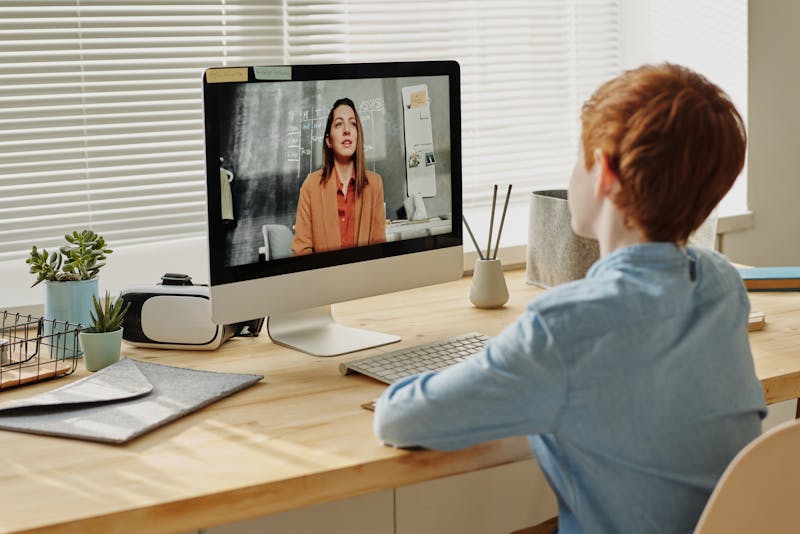
The pandemic’s natural experiment produced several clear lessons for remote learning design. Synchronous learning — real-time video classes where students and teachers are present simultaneously — dramatically outperforms asynchronous learning (recorded videos, self-paced content) for most K-12 students, because the social presence of classmates and teachers maintains engagement and provides the immediate feedback that learning requires. The schools that maintained regular synchronous sessions through platforms like Zoom, Google Meet, and Microsoft Teams saw significantly smaller learning loss than those relying primarily on asynchronous content.
Teacher-student relationships were the most protective factor. Students who had established strong relationships with teachers before the pandemic, or whose teachers proactively maintained contact during remote periods, showed substantially better learning outcomes than those who felt disconnected. Technology facilitated this — daily Zoom check-ins, personalized video messages, parent communication through Remind and ClassDojo — but the relationship was the engine; technology was the vehicle.
Younger students struggled most with remote learning, as expected from developmental research: young children require physical presence, embodied interaction, and immediate caregiver response to develop normally. Remote kindergarten was near-universally unsuccessful, and the developmental impacts on children who spent critical social development years in isolation remain an ongoing research focus. For older students and adults, remote learning can work well when designed intentionally — with the right synchronous structure, the right collaboration tools, and the right accountability mechanisms.
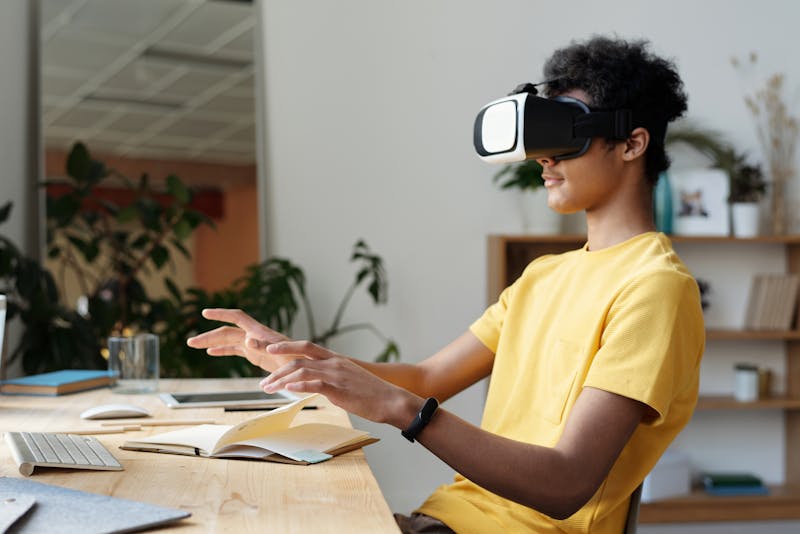
Remote and hybrid learning technology: 2026
| Platform | Type | Key feature | Cost |
|---|---|---|---|
| Google Meet for Education | Synchronous video learning | Breakout rooms, attendance, integration with Classroom | Free for schools |
| Microsoft Teams Education | Synchronous + asynchronous collaboration | Assignment integration, Teams channels, reading coach | Free with Microsoft 365 Education |
| Zoom for Education | Synchronous video, webinars | AI meeting summaries, engagement features, rooms | $1,800/year license |
| Loom for Education | Asynchronous video instruction | Teacher screen/video recordings, async feedback | Free for educators |
| Miro / FigJam | Collaborative virtual whiteboarding | Real-time collaborative brainstorming, templates | Free basic / $8-10/month |
Designing effective remote instruction
The educators who mastered remote teaching during the pandemic identified several design principles that produced significantly better engagement and outcomes than default approaches. First: shorter synchronous sessions with more frequent interaction. A 90-minute lecture is far less effective remote than in person; breaking it into 20-30 minute focused segments with activities, polls, and breakout discussions maintains the engagement that passive watching can’t sustain. Second: explicit relationship maintenance. Remote students who feel seen by their teachers perform dramatically better — a weekly 5-minute one-on-one check-in (possible even for large classes when distributed over a week) can be the difference between a student who stays engaged and one who disappears.
Third: using asynchronous time intentionally. Recorded lectures watched before class (flipped classroom) allow synchronous time to be used for discussion, problem-solving, and collaborative work that doesn’t require real-time teacher presentation. This approach — pioneered before the pandemic but accelerated by it — consistently produces better outcomes than traditional synchronous lecture formats. And fourth: maintaining social presence through visible community. Class discussion boards where students see each other’s thinking, collaborative projects that require coordination, and social channels in platforms like Teams reduce the isolation that makes remote learning harder for students who struggle with independence.
Who benefits from remote learning in 2026
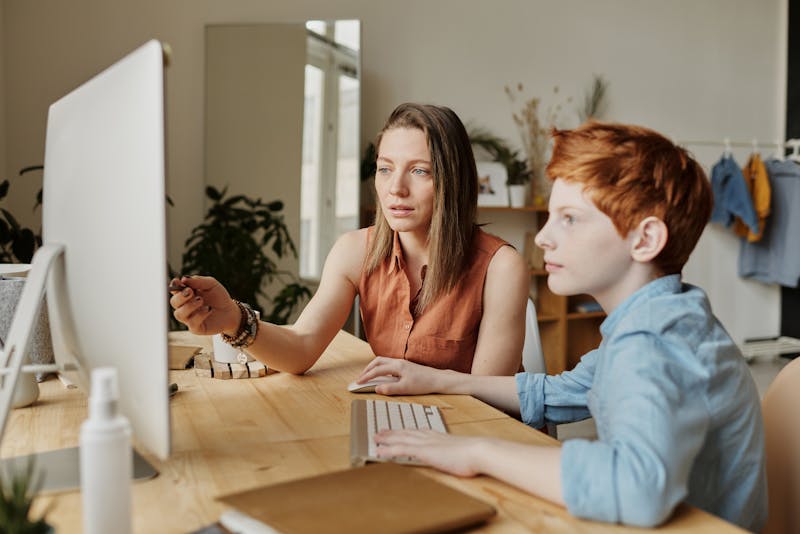
Remote learning options serve specific populations particularly well. Students with chronic health conditions who can’t attend school reliably. Students in rural areas without access to specialized courses (AP classes, advanced electives, career and technical education). Athletes and performers with intense training schedules. Adults returning to education while working. And students who genuinely thrive with self-directed learning environments — who are self-motivated, organized, and capable of maintaining engagement without external structure.
For these populations, remote and hybrid learning technology is genuinely enabling — making educational opportunities accessible that would otherwise be unavailable. For the average student who performs better in person with strong teacher relationships and peer accountability, remote learning is a practical compromise for specific circumstances rather than an improvement on in-person education. Matching learning modality to student need and characteristics — rather than assuming any modality is universally superior — is the frame that the pandemic’s painful data supports.
