
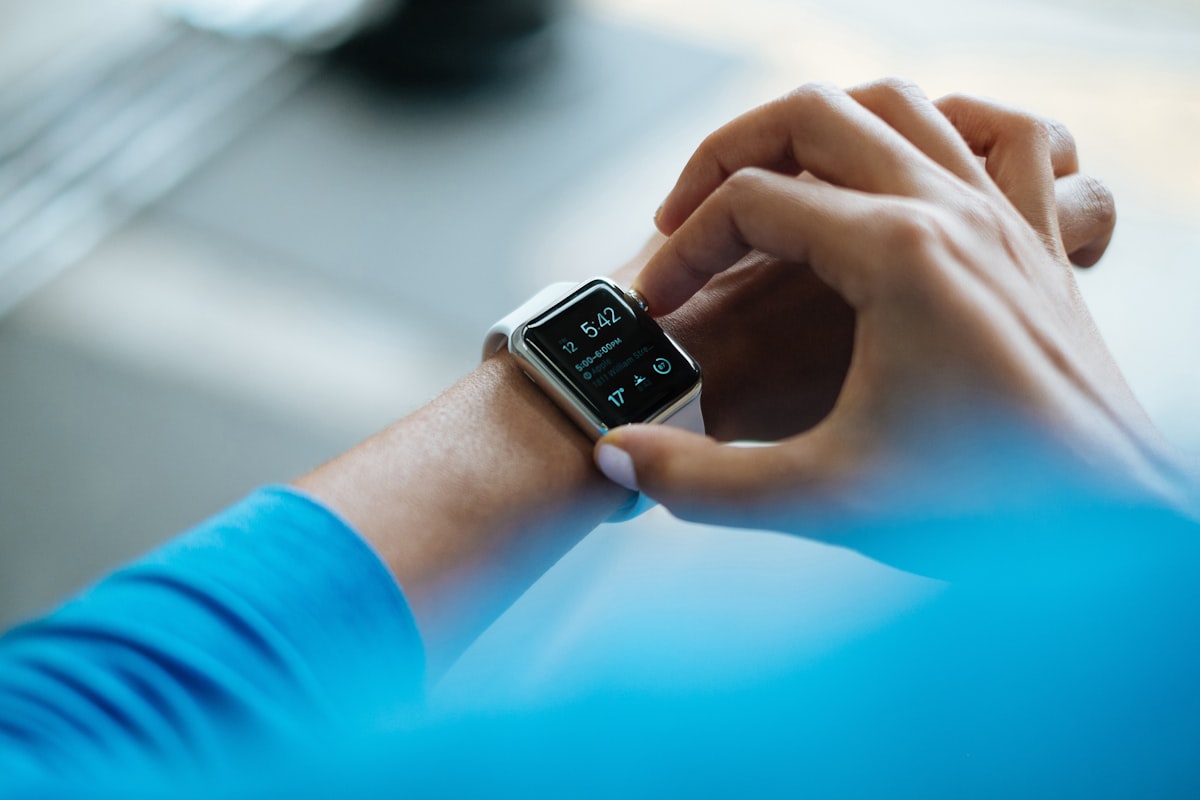
Google unveiled the Fitbit Sense 4 on Wednesday, introducing a non-invasive blood glucose monitoring sensor as the device’s headline feature. The sensor uses near-infrared spectroscopy to estimate blood glucose levels without requiring a finger prick or implanted continuous glucose monitor — a technology that Apple, Samsung, and several startups have been developing for years but that few manufacturers have successfully brought to market in a mainstream consumer wearable at this price point.
Google said the sensor analyses the way near-infrared light is absorbed and reflected by tissue beneath the skin to generate a glucose estimate. The company was careful to note that the readings are intended as wellness guidance rather than clinical measurements, and that the feature should not be used as a replacement for medically prescribed glucose monitoring in diabetes management. An on-screen disclaimer appears each time the feature is used, directing users with diabetes to consult their healthcare provider.
How the glucose feature works in practice
The blood glucose feature is integrated into the Fitbit app’s Health Metrics dashboard, where it sits alongside existing metrics including resting heart rate, heart rate variability, skin temperature variation, respiratory rate, and SpO2. Users set a measurement window — the feature works best during periods of relative stillness — and the Sense 4 provides a reading within approximately 30 seconds.
Google said the feature’s accuracy improves over time as the device builds a baseline specific to the individual user. In a peer-reviewed study conducted in partnership with the University of Michigan and published this week in npj Digital Medicine, the Sense 4’s glucose estimates correlated with laboratory reference values with a mean absolute relative difference of 14.3 percent — above the 10 percent threshold required for clinical CGM devices but within a range that Google said is appropriate for wellness monitoring.
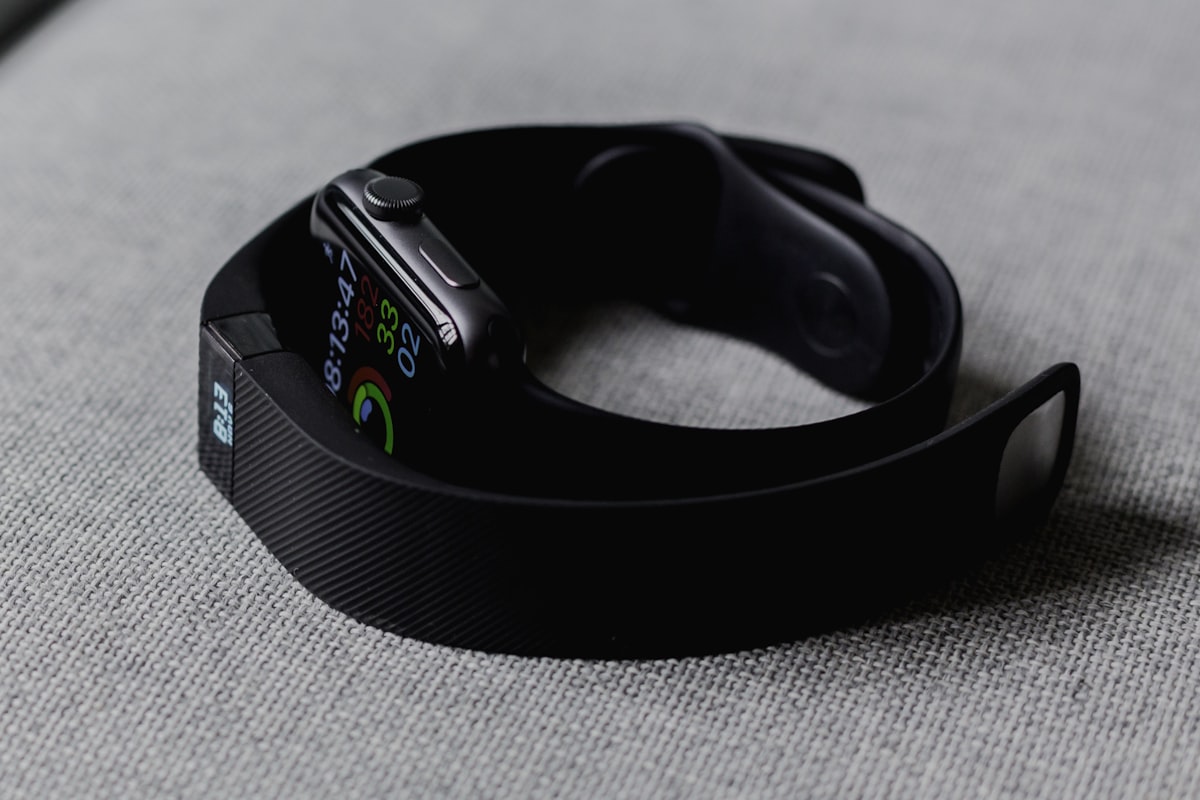
Battery life, processor, and platform integration
Battery life has been extended to 14 days in standard mode and five days with the always-on display activated, up from six days on the Sense 3 in standard mode. The improvement is attributed to a new low-power processing chip developed by Google’s hardware division specifically for health wearables, which the company said reduces energy consumption during continuous sensor monitoring by 40 percent compared to the previous generation’s chip.
The Sense 4 runs Wear OS 5 and is compatible with both Android and iOS, though some features — including deep integration with Google Health and Pixel phone notifications — are exclusive to Android. Google Health, which launched as a unified health data platform in early 2026, allows Sense 4 data to be shared with participating healthcare providers through compatible electronic health record systems. The data sharing is opt-in and requires explicit consent each time a new provider is added.
Pricing and availability
The Fitbit Sense 4 is priced at $299 and will be available from September 15 in the United States, United Kingdom, Canada, and Australia. European availability, pending regulatory clearance for the glucose monitoring feature under EU medical device rules, is expected in the first quarter of 2027.
The device arrives in a competitive market. The Apple Watch Series 11, expected to be announced at Apple’s September event, is widely rumoured to include its own non-invasive glucose monitoring capability. Samsung’s Galaxy Watch 8 Ultra, launched in July 2026, includes blood pressure monitoring and advanced ECG features but does not currently offer glucose estimation. Google’s entry at $299 is significantly below Apple Watch pricing, which starts at $399, positioning the Sense 4 as the accessible option in the emerging glucose-monitoring wearable category.
What clinicians and analysts are saying
Endocrinologists contacted about the launch offered cautious reactions. Dr. Elena Marsh, a metabolic health researcher not affiliated with the study, noted that a 14.3 percent mean absolute relative difference is “a meaningful improvement over earlier optical glucose-sensing attempts, but still too wide a margin for anyone to make dosing decisions from.” She added that the real value of the feature is likely to be behavioural rather than clinical — helping users notice broad patterns, such as how a particular meal or workout affects their glucose trend, rather than replacing a prescribed monitor.
Wearable industry analysts see the launch as part of a broader shift toward metabolic health tracking as the next competitive battleground after sleep and heart-rate monitoring, following the rise of continuous glucose monitors among non-diabetic biohackers over the past two years. Whether regulators eventually classify optical glucose sensors as medical devices — subjecting them to the FDA clearance process that dedicated CGMs already undergo — remains an open question that could shape how aggressively Google, Apple, and Samsung market the feature going forward.
